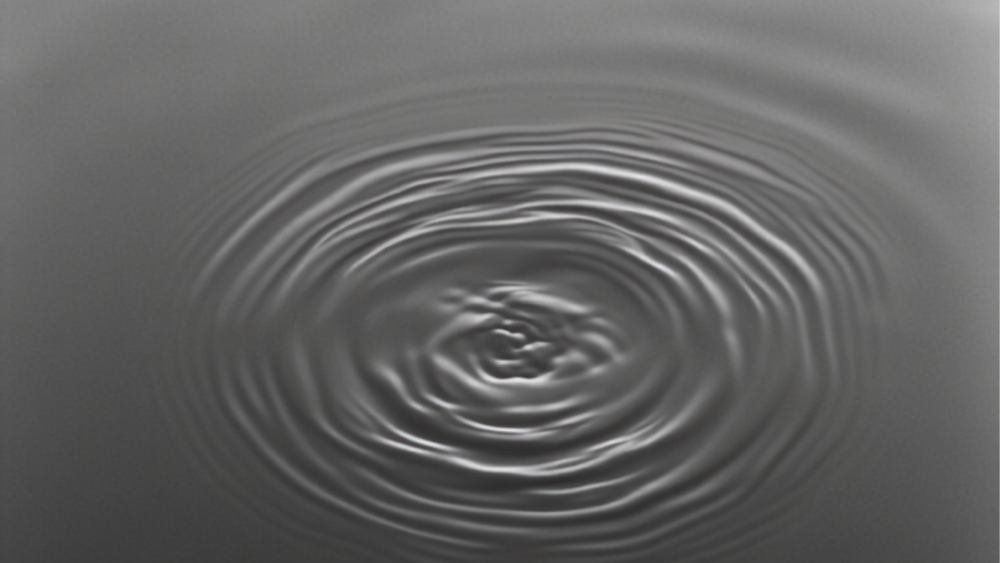
Two people can go through the exact same moment and walk away with opposite impressions. One feels warmth, the other rejection. That gap isn’t about who’s right — it’s about how differently perception itself can work.
If we’re in the same room, shouldn’t we see the same reality?
Not necessarily. What registers as “reality” for you isn’t just what’s physically out there. Your own inner qualities, desires, and interests filter it as it comes in. Two people can hear the identical words and walk away having genuinely experienced two different conversations. Each person’s filter shapes what actually lands.
So am I just imagining a different world than everyone else?
Not imagining — building, without realizing it. The picture of reality you experience isn’t separate from you as the one looking at it. You’re not just observing the world and reporting back on it. You’re actively shaping its image inside you as you take it in.
Why do some people seem stuck seeing the same narrow picture over and over?
Because it’s not really the situations repeating — it’s you applying the same filter to new situations. As long as perception runs entirely on self-interest, reality stays narrow and fragmented. It doesn’t matter how many times the scene around it changes.
So how would my world actually change?
Not by changing your circumstances — by changing the one doing the perceiving. If perception shifts, the world you experience shifts with it. Not because the outer scene changed, but because you start sensing a deeper, wider layer within that same scene. Which points to something a little radical: to change your world, you change the one who sees it. The observer was always part of the picture.
FAQ
Is this idea connected to a specific tradition?
Yes — this is a core idea in Kabbalah. It holds that the picture of reality is never separate from the person perceiving it. If that framework interests you, there’s more written about it beyond this post.
Does this mean reality isn’t real — it’s all just subjective?
No — it’s not claiming nothing exists outside you. Your inner state shapes your access to what’s out there — not that the outer world is fake.
Isn’t this just “positive thinking” or choosing a nicer perspective?
Not quite — positive thinking reframes the same filter with a nicer story. This is about actually changing the filter itself, not just what you tell yourself about what it shows you.
What’s an actual next step if this resonates?
Start getting curious about your own filtering. Notice that your read on a moment is a read, not automatically the read everyone else would have. That noticing is itself the beginning of the shift this idea describes.
If this raises more questions than it answers, you can explore more on perception here.